
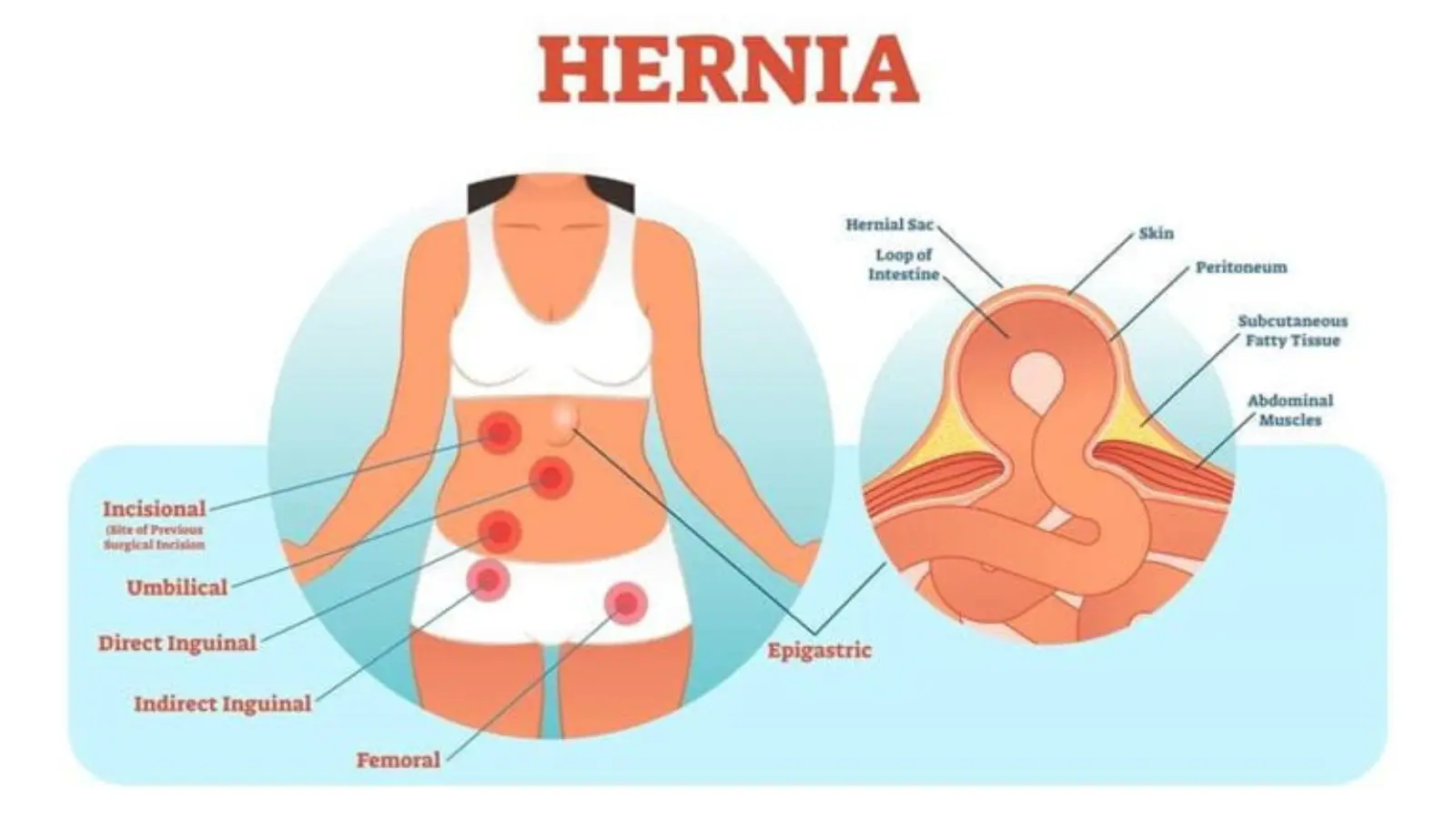
Have you recently felt a strange bulge, pressure, or pain in your abdomen or groin and wondered what it means? You’re not alone.
The question “what does a hernia feel like” is trending because more people are becoming aware of early warning signs of health conditions and searching online before visiting a doctor.
So, what does a hernia feel like? A hernia usually feels like a soft bulge under the skin, often in the stomach or groin area. It may cause pressure, discomfort, or pain, especially when coughing, lifting heavy objects, or standing for long periods.
Understanding these symptoms early can help you take the right steps and avoid complications.
⚡ Quick Answer
A hernia typically feels like a visible or noticeable lump combined with pressure, aching, or sharp pain, especially during physical activity. Some hernias may feel mild at first but worsen over time.
What Is a Hernia?
Before exploring how it feels, let’s understand what it is.
A hernia happens when an internal organ or tissue pushes through a weak spot in the surrounding muscle or tissue wall. Most hernias occur in the abdomen or groin area, but they can develop in other parts of the body.
What Does a Hernia Feel Like in Different Situations?
The feeling can vary depending on the type and location. Below are the most common types and how they usually feel.
What Does an Inguinal Hernia Feel Like? (Groin Area)
An inguinal hernia is the most common type and occurs in the groin.
Common sensations:
- A bulge on one side of the groin
- A heavy or dragging feeling
- Pain when coughing, bending, or lifting
- Discomfort that improves when lying down
Many people describe it as a pulling or burning sensation.
What Does an Umbilical Hernia Feel Like? (Near the Belly Button)
An umbilical hernia forms around the belly button.
It may feel like:
- A small, soft swelling near the navel
- Mild discomfort
- Pressure when laughing or straining
In adults, it can become painful if the tissue gets trapped.
What Does a Hiatal Hernia Feel Like? (Inside the Chest)
A hiatal hernia is different because you usually cannot see a bulge.
Instead, you might feel:
- Heartburn
- Chest pain
- Acid reflux
- Difficulty swallowing
- A burning feeling after eating
Many people mistake it for simple indigestion.
What Does a Femoral Hernia Feel Like?
This type appears in the upper thigh or groin area and is more common in women.
It can cause:
- A lump near the thigh
- Sudden groin pain
- Nausea (if serious)
This type may require urgent medical care.
What Does a Hernia Feel Like When It Gets Worse?
If a hernia becomes strangulated (when blood supply is cut off), symptoms may include:
- Severe, sudden pain
- Red or purple bulge
- Fever
- Nausea and vomiting
⚠️ This is a medical emergency and needs immediate treatment.
Does a Hernia Always Hurt?
Not always.
Some hernias:
- Cause no pain at first
- Only show a small bulge
- Feel uncomfortable during activity
Pain often increases over time as the muscle weakness worsens.
What Does a Hernia Feel Like During Physical Activity?
Many people notice symptoms when they:
- Lift heavy objects
- Exercise intensely
- Stand for long hours
- Strain during bowel movements
- Cough repeatedly
The feeling is often described as:
- Pressure
- Tightness
- Pulling
- Sharp pain
What Does a Hernia Feel Like in Women?
Women may experience:
- Pelvic pressure
- Lower abdominal discomfort
- Groin pain that feels like a muscle strain
Sometimes it is misdiagnosed as a gynecological issue.
What Does a Hernia Feel Like in Men?
Men often notice:
- A visible bulge in the groin
- Pain that spreads to the testicles
- A heavy sensation in the lower abdomen
How to Tell If It’s a Hernia or Something Else
Here’s a quick comparison:
| Symptom | Hernia | Muscle Strain |
|---|---|---|
| Visible bulge | Yes (often) | No |
| Pain improves when lying down | Often | Not usually |
| Pain with coughing | Common | Sometimes |
| Swelling | Soft lump | No lump |
If you’re unsure, a medical exam is the best way to confirm.
What Causes the Feeling of a Hernia?
A hernia develops due to:
- Weak abdominal muscles
- Heavy lifting
- Chronic coughing
- Pregnancy
- Obesity
- Constipation
- Previous surgery
Over time, pressure pushes tissue through weak muscle, creating the bulge and discomfort.
When Should You See a Doctor?
You should seek medical advice if:
- The bulge grows larger
- Pain becomes constant
- You feel nausea or vomiting
- The lump becomes hard and cannot be pushed back
Early treatment prevents complications.
Common Questions About What a Hernia Feels Like (FAQ)
What does a hernia really feel like?
It usually feels like a soft lump combined with pressure or pain, especially during movement or straining.
Is a hernia painful all the time?
No. Some hernias are painless at first but may become painful later.
Can a hernia feel like gas or bloating?
Yes, especially a hiatal hernia, which may feel like indigestion or heartburn.
Does a hernia hurt when you press it?
It can feel tender or uncomfortable when touched.
Can a hernia go away on its own?
No. Hernias do not heal without treatment. Surgery is often required if symptoms worsen.
Key Signs You Might Have a Hernia
- A visible or noticeable lump
- Pain when lifting or coughing
- Pressure in the abdomen or groin
- Burning sensation
- Symptoms that improve when lying down
Conclusion: What Does a Hernia Feel Like?
In simple words, a hernia feels like a bulge with pressure or pain, especially when you move, cough, or lift something heavy. Sometimes it feels mild and uncomfortable; other times it can be sharp and severe.
Now you clearly understand what a hernia feels like, the different types, and when to seek help. If you suspect one, don’t ignore it. Early diagnosis makes treatment easier and safer.
