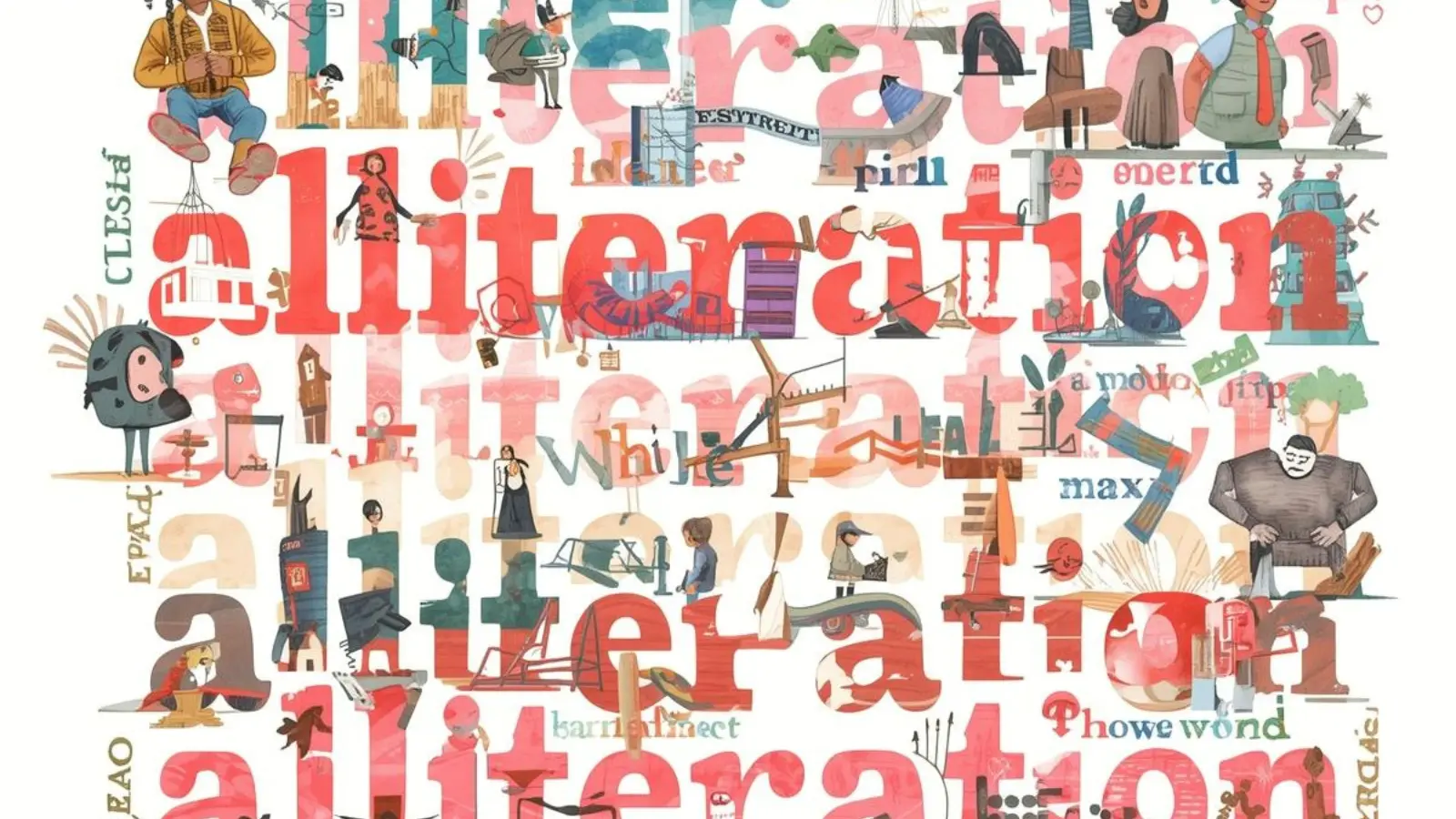
Alliteration is a writing and speech technique that has been capturing attention across literature, social media, and even texting. Lately, people are searching for its meaning because it’s popping up in catchy song lyrics, viral captions, and poetic posts. Understanding alliteration can help you write more engaging content, create memorable phrases, or simply enjoy the rhythm of words.
In simple terms, alliteration is the repetition of the same starting sound or letter in a series of words.
⚡ Quick Answer
Alliteration means repeating the initial sounds of words in a phrase or sentence to create rhythm, emphasis, or a poetic effect. It’s often used in poems, slogans, captions, and even casual texting to make language more playful and memorable.
📚 Meaning of Alliteration in Different Contexts
In Texting and Messaging
In texting, alliteration is used to make messages fun, catchy, or humorous. For example:
- “Silly Sammy sent six silly snaps!”
- “Busy bees buzzing beyond breakfast.”
Here, alliteration adds a playful tone and makes the message feel lighter or more entertaining.
In Love and Relationships
Alliteration can also appear in romantic or affectionate messages. Couples often use it to add a sweet or poetic flair:
- “My darling, dreamy days with you.”
- “Forever feeling fabulous with you.”
It helps messages feel more personal and creative, making them stand out.
In Slang and Casual Language
In slang, alliteration is a tool to make phrases trendy or memorable. For example:
- “Lit, lively, legendary night!”
- “Crazy cool crew!”
It’s often used to hype up stories or make words stick in someone’s mind.
On Social Media Platforms
On platforms like TikTok, Instagram, and Snapchat, alliteration is popular in captions, hashtags, and viral content. Examples include:
- TikTok caption: “Tiny tacos, totally terrific!”
- Instagram hashtag: #FunkyFashionFriday
- Snapchat story: “Sunset smiles, sweet sensations.”
Alliteration makes content more engaging, fun to read, and shareable, increasing the chance of going viral.
Spiritual or Symbolic Meaning
While alliteration is mainly a literary and linguistic tool, it can carry symbolic meaning in spiritual or reflective writing. Repeating sounds can create a meditative or rhythmic flow, which helps convey peace, harmony, or emphasis in affirmations and chants.
Numerology or Cultural Meaning
Alliteration doesn’t have a strict numerology connection, but in cultural storytelling, it’s often used to make phrases memorable across generations. Folktales, nursery rhymes, and chants use it to teach lessons or emphasize morals through sound patterns.
🧠 Examples & Usage
Here are real-life examples showing how alliteration works in different contexts:
| Context | Example | Effect |
| Poetry | “Peter Piper picked a peck of pickled peppers.” | Creates rhythm and memorability |
| Social Media | “Fabulous Friday feels!” | Makes captions catchy |
| Romantic Text | “Sweetest Saturday smiles with you.” | Adds poetic, affectionate tone |
| Slang/Trendy | “Crazy cool crew!” | Makes phrases fun and shareable |
Tip: Context changes the effect. In poetry, it’s artistic. In texting, it’s playful. On social media, it’s viral.
❓ Common Questions About Alliteration
What does alliteration really mean?
It’s the repetition of the same starting sound in words, making sentences rhythmic and memorable.
Is alliteration positive or negative?
Mostly positive. It’s playful, fun, or poetic. But overuse can feel forced or silly.
Is alliteration romantic?
It can be! Using repeated sounds in messages can make romantic phrases feel more charming and personal.
How should someone reply to alliteration?
Respond with humor, rhyme, or matching rhythm to keep the playful tone going. For example:
- Message: “Sweet summer sunsets!”
- Reply: “Savoring spectacular skies!”
🏁 Conclusion
Alliteration is a simple but powerful tool in language. Whether you’re writing poems, crafting social media captions, texting friends, or sending romantic messages, repeating sounds makes words catchy, rhythmic, and memorable. Now that you know what alliteration means and how to use it, you can make your words stand out in any context!
