The word “habibi” has been trending online, especially on social media platforms like TikTok, Instagram, and Snapchat. People are curious because it often appears in messages, captions, and memes—but not everyone knows its true meaning.
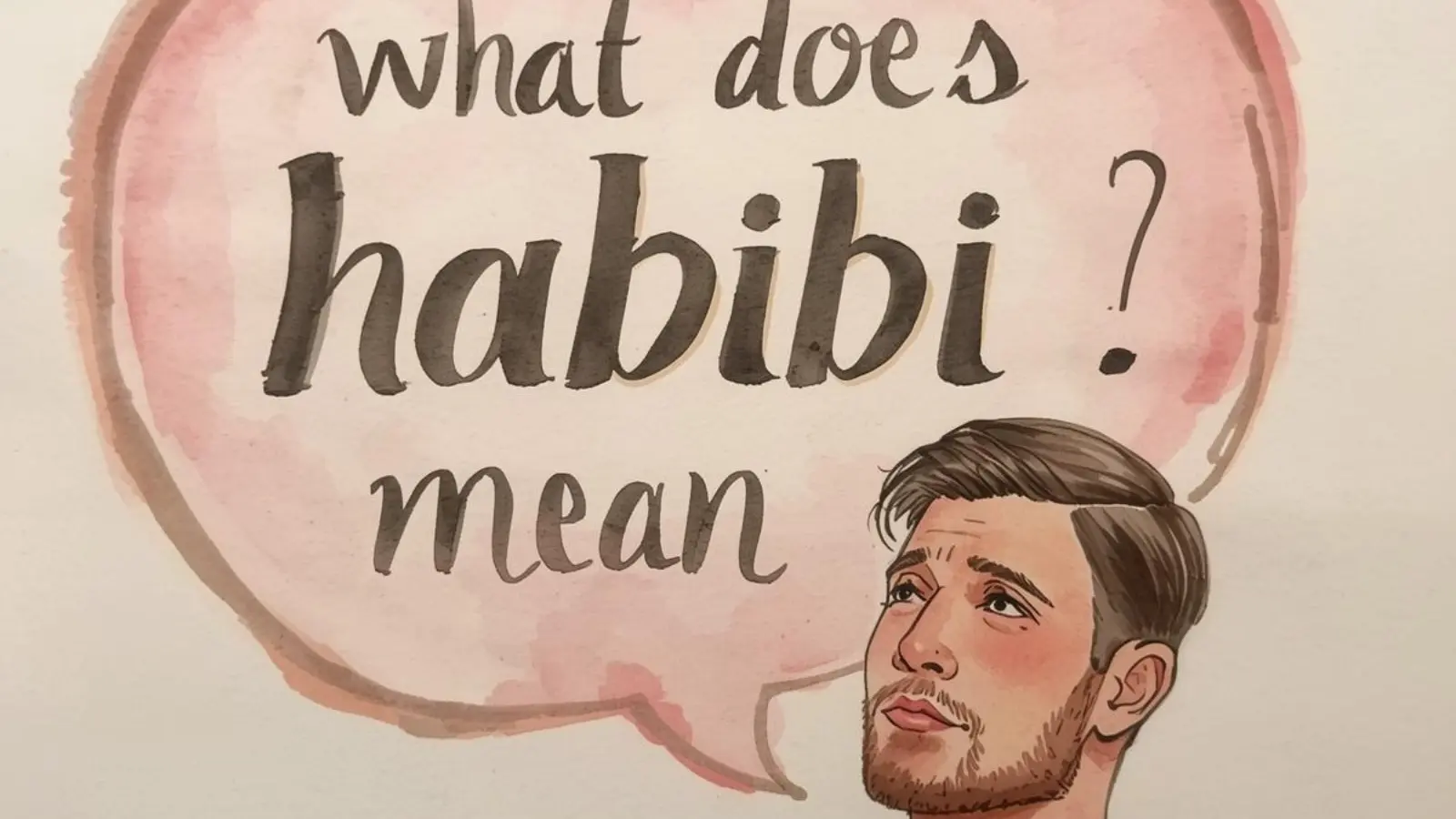
Habibi is an Arabic word that literally means “my beloved” or “my dear”. It is commonly used as a term of affection for friends, family, or romantic partners. Whether you’ve seen it in texts, songs, or social media captions, understanding habibi helps you connect better with people and the culture behind it.
⚡ Quick Answer
Habibi means “my dear” or “my beloved” in Arabic. It’s a friendly or romantic term used to show love, care, or affection.
📚 Meaning in Different Contexts
In Texting and Messaging
When someone writes habibi in a text, it usually expresses warmth or closeness.
- Example: “Hey habibi, how was your day?”
- Context: Friendly, casual, and affectionate. Not always romantic.
Texting allows people to use habibi informally with friends, family, or loved ones, making conversations feel more personal and caring.
In Love and Relationships
In romantic relationships, habibi carries a stronger emotional weight.
- Example: “I miss you, habibi ❤️”
- Context: Clearly expresses romantic love and intimacy.
Couples often use it like “babe” or “sweetheart” in English. Using habibi in love messages can make your partner feel special and cherished.
In Slang and Casual Language
Among young people and pop culture enthusiasts, habibi is often used casually:
- Example: “What’s up, habibi?”
- Context: Friendly greeting; less formal.
It’s become trendy in music lyrics, memes, and casual speech, sometimes without deep romantic meaning.
On Social Media Platforms
TikTok, Instagram, Snapchat, and Twitter have made habibi widely recognized globally. People use it in captions, comments, and challenges:
- Example Caption: “Weekend vibes with my habibi 😎”
- Impact: Shows cultural awareness, affection, and trendiness.
Social media has turned habibi into a playful, universally understood term of endearment.
Spiritual or Symbolic Meaning
In some contexts, habibi can have a symbolic meaning of unconditional love or connection. It’s not just about romance but also kindness, friendship, and care for others.
- Example: A teacher calling students habibi to show warmth and support.
Numerology or Cultural Meaning
Culturally, habibi reflects Arabic traditions of expressing love openly and warmly. There’s no strict numerological meaning, but in Arabic-speaking cultures, the word signifies respect, intimacy, and emotional closeness.
🧠 Examples & Usage
Here are some real-life examples to see how habibi changes depending on context:
| Context | Example Text | Meaning |
| Friend chat | “Yo habibi, want to hang out?” | Friendly, casual |
| Romantic partner | “Good morning, habibi 😘” | Romantic, loving |
| Social media caption | “Coffee time with my habibi ☕” | Friendly/affectionate, trendy |
| Family interaction | “Come here, habibi” | Affectionate, caring |
Key Tip: The tone and relationship between people often determine if habibi is romantic, friendly, or purely affectionate.
❓ Common Questions About Habibi
1. What does habibi really mean?
It literally means “my beloved” or “my dear”, used to show love, care, or affection.
2. Is habibi positive or negative?
Positive. It expresses warmth, friendliness, or romantic affection.
3. Is habibi romantic?
It can be, but it’s not always romantic. Context matters—friends, family, or partners can all use it.
4. How should someone reply to habibi?
You can reply with:
- “Habibi too!” (friendly)
- “I miss you too, habibi ❤️” (romantic)
- Or simply return affection with a smile, emoji, or kind words.
🏁 Conclusion
In simple terms, habibi means “my dear” or “my beloved”. It’s a versatile word used for friends, family, and romantic partners, expressing warmth, care, and affection. Whether in messages, social media, or everyday conversations, habibi adds a touch of love and connection.
