
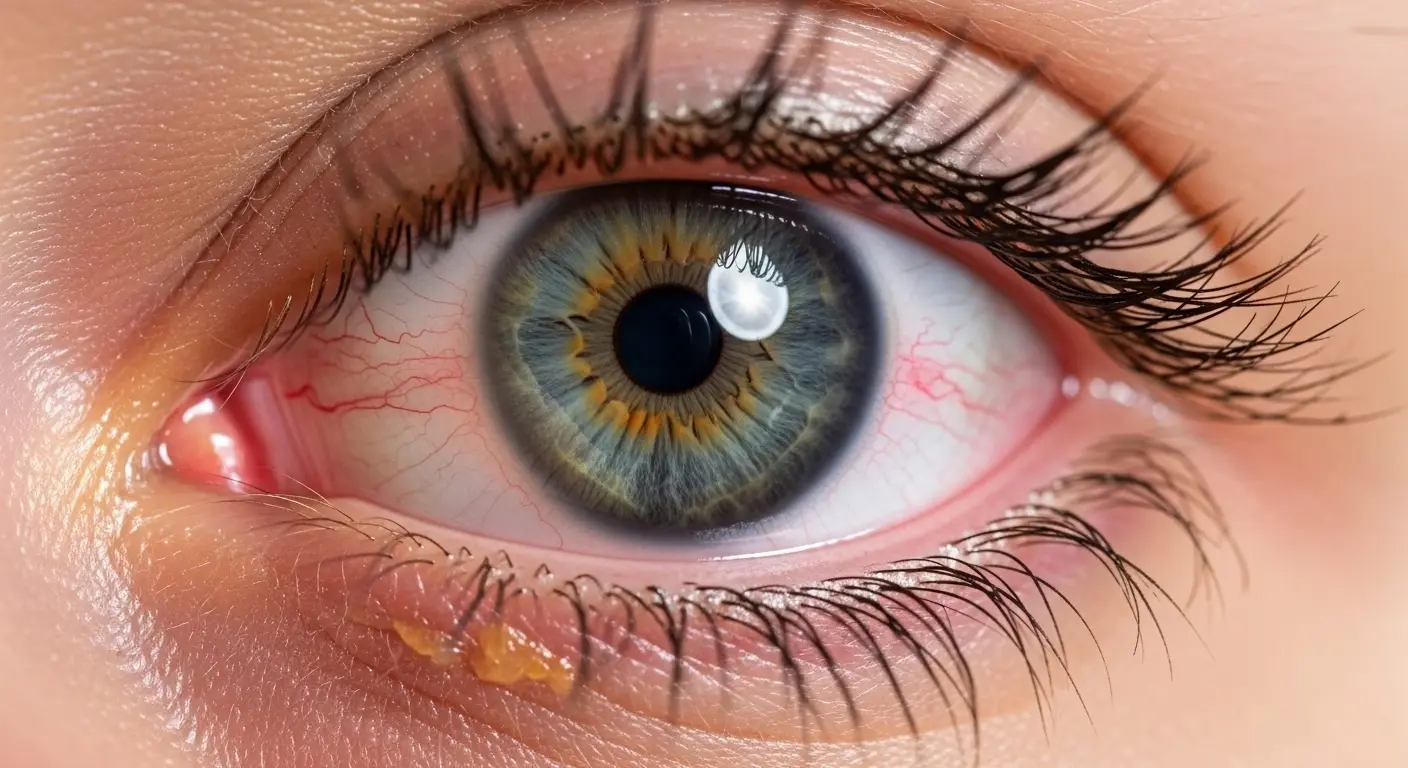
Have you recently noticed someone with red, watery eyes and wondered if it might be pink eye? Searches for “what does pink eye look like” are trending because eye infections spread quickly—especially in schools, offices, and households. When one person gets it, others often follow. That’s why people want to recognize the symptoms early.
Pink eye, also called conjunctivitis, is a common eye condition that causes redness, irritation, swelling, and discharge in one or both eyes. It happens when the thin, clear tissue covering the white part of the eye (the conjunctiva) becomes inflamed.
If you’re unsure whether it’s pink eye or just tired eyes, this guide will help you clearly understand the signs, causes, and what to do next.
Quick Answer
Pink eye looks like red or bloodshot eyes with swelling, watering, itching, and sometimes thick discharge that may cause crusting around the eyelids—especially after sleep.
What Does Pink Eye Look Like?
Pink eye can appear slightly different depending on the cause. However, there are some common visual signs most people notice right away.
👁 Common Visual Symptoms
- Red or pink color in the white part of the eye
- Swollen eyelids
- Watery or teary eyes
- Thick yellow, white, or green discharge
- Crusty eyelashes, especially in the morning
- Gritty or sandy feeling
- Mild sensitivity to light
Sometimes only one eye is affected at first, but it can spread to the other eye within a day or two.
Types of Pink Eye and How They Look
Not all pink eye is the same. The appearance can vary depending on the cause.
1. Viral Pink Eye
This is the most common type.
What It Looks Like:
- Bright red or pink eye
- Clear, watery discharge
- Often starts in one eye, spreads to the other
- May come with cold symptoms (runny nose, sore throat)
Viral pink eye is highly contagious and spreads easily through contact.
2. Bacterial Pink Eye
More common in children.
What It Looks Like:
- Red eyes with thick yellow or green discharge
- Eyelids may stick together after sleeping
- Constant crust buildup
This type usually requires antibiotic eye drops prescribed by a doctor.
3. Allergic Pink Eye
Triggered by pollen, dust, pet dander, or other allergens.
What It Looks Like:
- Pink or red eyes
- Intense itching
- Watery discharge
- Usually affects both eyes at the same time
It is not contagious.
4. Irritant Pink Eye
Caused by smoke, chlorine, chemicals, or foreign objects.
What It Looks Like:
- Redness
- Burning sensation
- Watery eyes
- No thick discharge
This usually improves once the irritant is removed.
Pink Eye vs. Other Eye Problems
Sometimes pink eye looks similar to other eye conditions. Here’s a quick comparison:
| Condition | Redness | Discharge | Pain Level | Contagious? |
|---|---|---|---|---|
| Pink Eye (Viral) | Yes | Watery | Mild | Yes |
| Pink Eye (Bacterial) | Yes | Thick, yellow/green | Mild | Yes |
| Allergies | Yes | Watery | Mild itching | No |
| Dry Eyes | Slight | Minimal | Burning | No |
| Stye | Local redness | Pus bump | Moderate | No |
If you experience severe pain, vision changes, or extreme light sensitivity, seek medical help immediately.
What Does Pink Eye Look Like in Children?
Children often show stronger symptoms.
In Kids, You May Notice:
- Constant eye rubbing
- Sticky eyelids in the morning
- Swelling around the eye
- Complaints of itchy or “scratchy” eyes
- Increased tear production
Because kids touch their eyes often, pink eye spreads quickly in schools and daycare settings.
What Does Pink Eye Look Like in Babies?
In babies, symptoms may include:
- Red eyelids
- Swelling
- Thick discharge
- Fussiness due to irritation
If a newborn has pink eye symptoms, consult a doctor right away.
How Fast Does Pink Eye Develop?
Symptoms can appear within:
- 1–3 days after exposure (viral or bacterial)
- Immediately after allergen contact (allergic)
It may last:
- 5–7 days (viral)
- 7–10 days (bacterial, with treatment)
- As long as allergen exposure continues (allergic)
Is Pink Eye Always Very Red?
Not always.
Sometimes the redness is mild and looks like tired eyes. However, the key difference is the discharge and irritation.
If the redness comes with:
- Crusting
- Swelling
- Persistent watering
…it is more likely pink eye.
When Should You See a Doctor?
Seek medical care if you notice:
- Blurred or reduced vision
- Severe eye pain
- Sensitivity to light
- Symptoms lasting more than 1 week
- Symptoms in a newborn
Doctors can determine whether it’s viral, bacterial, or allergic.
How to Treat Pink Eye
Treatment depends on the cause.
Viral Pink Eye
- Usually clears on its own
- Use cold compress
- Artificial tears for comfort
- Good hygiene to prevent spread
Bacterial Pink Eye
- Antibiotic eye drops
- Clean discharge gently
- Avoid touching eyes
Allergic Pink Eye
- Antihistamine eye drops
- Avoid allergens
- Cold compress
How Contagious Is Pink Eye?
Viral and bacterial pink eye are highly contagious.
It spreads through:
- Touching infected eyes
- Sharing towels, pillows, or makeup
- Close contact
To prevent spreading:
- Wash hands often
- Avoid touching eyes
- Don’t share personal items
- Stay home if contagious
Can You Go to School or Work With Pink Eye?
It depends on the type.
- Viral/Bacterial: Stay home until discharge improves.
- Allergic: Safe to attend school/work.
Many schools require 24 hours of antibiotic treatment before returning (for bacterial cases).
Frequently Asked Questions (FAQ)
What does pink eye really look like?
Pink eye usually looks like red or bloodshot eyes with swelling, watery discharge, and crusting around the eyelids.
Is pink eye painful?
It’s usually uncomfortable but not severely painful. Severe pain may indicate another condition.
Is pink eye serious?
Most cases are mild and go away within a week. However, newborn cases or vision changes require immediate care.
Does pink eye cause blindness?
No, typical pink eye does not cause blindness. Serious complications are rare when treated properly.
How can I tell if it’s pink eye or just irritation?
If symptoms include discharge, crusting, and spreading redness, it’s more likely pink eye than simple irritation.
How to Prevent Pink Eye
Prevention is simple but important.
✔ Wash hands regularly
✔ Avoid touching your eyes
✔ Disinfect surfaces
✔ Replace eye makeup regularly
✔ Don’t share personal items
Good hygiene is the best defense.
Conclusion
So, what does pink eye look like?
It usually appears as red or pink eyes with swelling, watering, irritation, and sometimes thick discharge or crusting. The exact look depends on whether it’s viral, bacterial, allergic, or caused by an irritant.
Now you can confidently recognize the signs, understand the causes, and know when to seek medical help. Early identification helps prevent spreading it to others and ensures faster recovery.
