
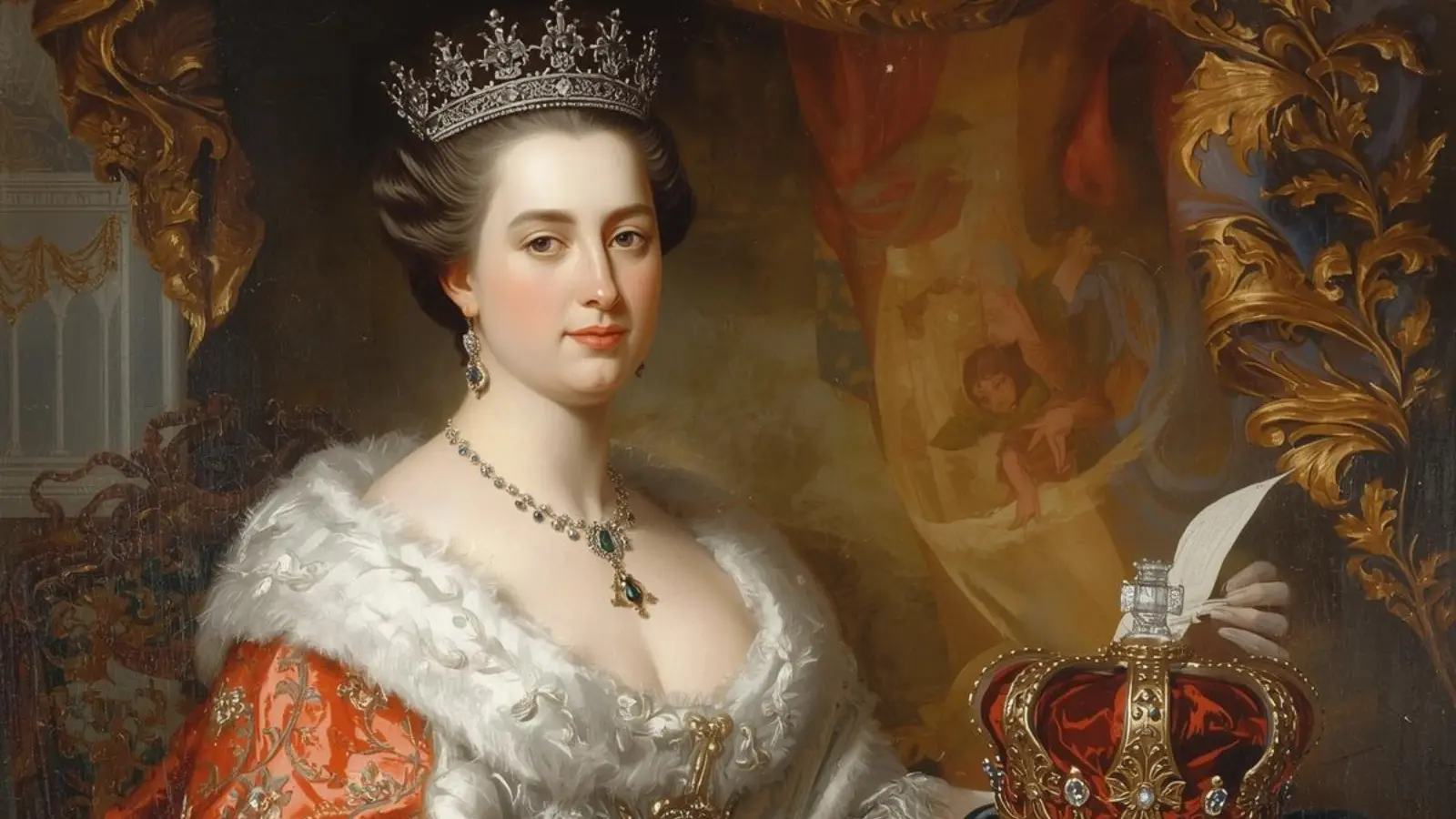
In recent years, the term “queen consort” has been trending across news, social media, and royal discussions.
People are curious about its meaning, especially as new queens consort enter the spotlight in countries with monarchies. But what does it actually mean?
A queen consort is the wife of a reigning king. Unlike a queen regnant, who rules a kingdom in her own right, a queen consort holds her title through marriage and typically does not have the same political power as the king. She may, however, have ceremonial duties, influence, and a prominent public role.
⚡ Quick Answer
A queen consort is the wife of a reigning king. She shares the royal title and public responsibilities but does not rule the country herself.
📚 Core Content Sections
In Texting and Messaging

In texting or messaging, “queen consort” is rarely used literally. Instead, it may appear as a playful nickname to describe someone who is elegant, respected, or supportive, much like a royal partner.
Example:
- “You’re my queen consort, always by my side 👑”
Here, the phrase emphasizes loyalty and admiration rather than actual royalty.
In Love and Relationships
In a romantic context, queen consort can symbolize a partner who is loyal, graceful, and supportive. It is often used to flatter someone as a loving, high-status partner.
Example:
- “She’s my queen consort, holding everything together while I chase dreams.”
It conveys respect and devotion rather than a literal role in monarchy.
In Slang and Casual Language

While traditional usage refers to royalty, modern slang sometimes applies queen consort humorously or metaphorically:
- To a friend who’s always fashionable: “You’re the queen consort of our squad.”
- To someone who supports their partner in challenges: “My queen consort got my back.”
It’s a trendy way of calling someone a trusted and classy companion.
On Social Media Platforms
On platforms like TikTok, Instagram, or Snapchat, queen consort often appears in captions, comments, or memes to convey admiration or humor.
Examples:
- Instagram caption: “Living like a queen consort 👑✨ #RoyalVibes”
- TikTok trend: “When your partner is literally your king… and you’re the queen consort.”
Here, the phrase is symbolic, playful, and part of pop culture language.
Spiritual or Symbolic Meaning
Spiritually, a queen consort can symbolize balance, support, and partnership. She represents harmony in relationships and the idea of working together in unity without needing direct control or authority.
Numerology or Cultural Meaning

In numerology or cultural discussions, a queen consort may be associated with loyalty, grace, and feminine energy. Some cultures view her as a stabilizing influence in the royal family or community, reflecting values like honor, service, and elegance.
🧠 Examples & Usage
Here’s how context changes meaning:
| Context | Meaning | Example |
| Royalty | Wife of a king, ceremonial role | “Queen Camilla is the queen consort of the UK.” |
| Romantic | Supportive partner | “She’s my queen consort, always there for me.” |
| Slang/Fun | Admired friend or partner | “You’re the queen consort of this group chat 😂” |
| Social Media | Caption for confidence/royal vibe | “Serving looks like a queen consort 👑” |
❓ Common Questions
What does queen consort really mean?
It means the wife of a reigning king. She may be prominent publicly but usually does not rule.
Is queen consort positive or negative?
It is positive, highlighting respect, loyalty, and ceremonial importance.
Is queen consort romantic?
In modern slang or messages, yes—it can signify a devoted, loving partner.
How should someone reply to queen consort?
Responses can be playful or respectful, such as:
- “Your king appreciates you 👑”
- “Thanks, my queen consort vibes only ✨”
🏁 Conclusion
A queen consort is the wife of a reigning king, known for ceremonial duties and public appearances. While she does not rule like a queen regnant, she plays a key supportive role.
Today, the term is also used in texting, social media, and relationships to describe someone loyal, graceful, and admired. Understanding this term now lets you use it confidently in both formal and casual contexts.
