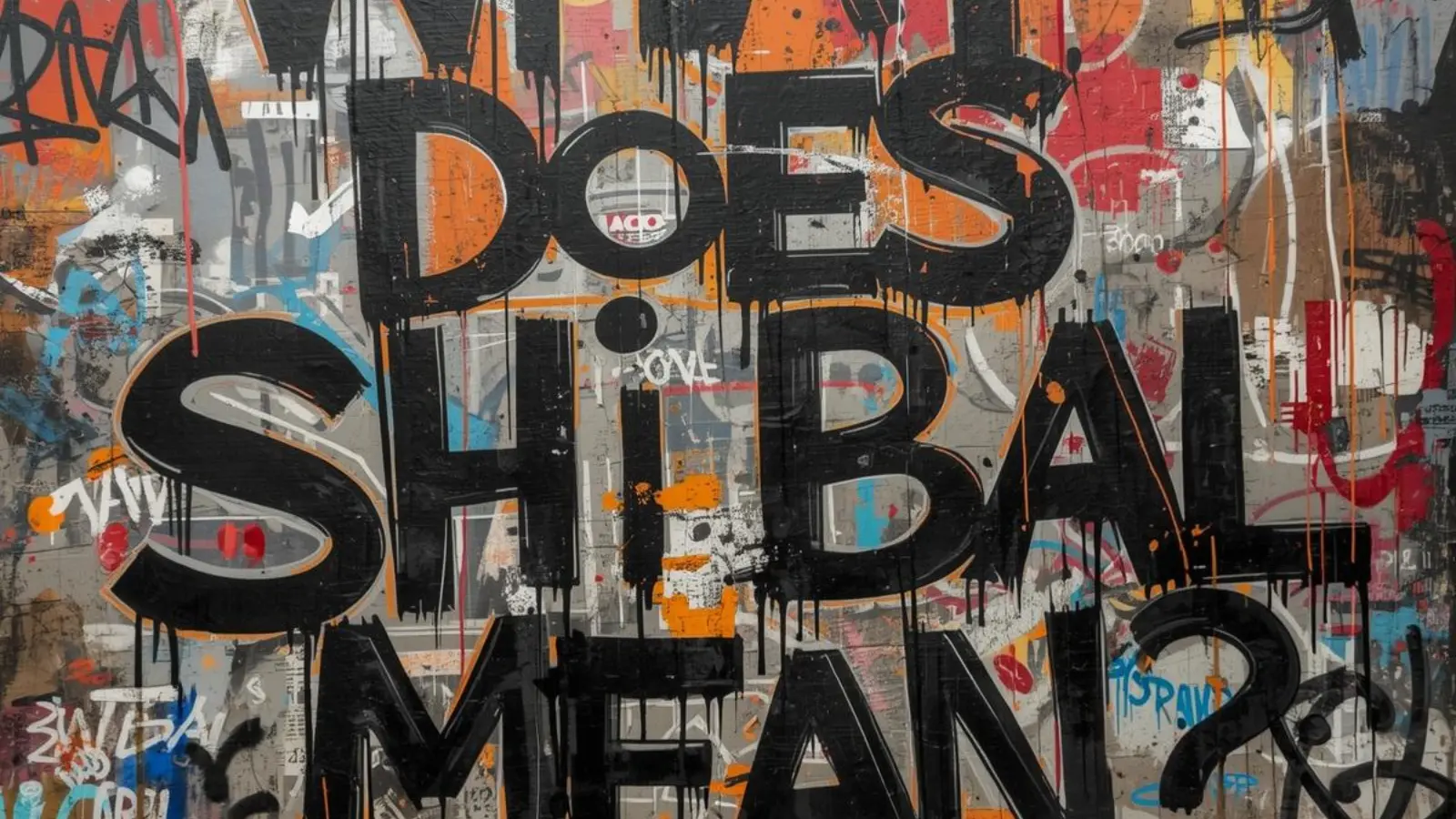
In recent times, the term “Shibal” has been trending across social media, chat apps, and online forums. Many people are curious about its meaning and origin because it appears frequently in texts, memes, and TikTok videos. Understanding this term can help you communicate better and avoid misunderstandings in casual conversations.
Shibal is a Korean word that is often used as a strong expletive, expressing anger, frustration, or annoyance. Its usage varies depending on context, tone, and the relationship between speakers.
⚡ Quick Answer
Shibal is a Korean slang term that roughly translates to “damn” or “f*ck” in English. It is typically used to express anger, irritation, or surprise in informal settings.
📚 Meaning of Shibal in Different Contexts
In Texting and Messaging
In texting, Shibal is often typed to convey strong emotions quickly. For example:
- “Shibal, I forgot my homework!” → expresses frustration.
- “Shibal… why is this happening?” → shows annoyance or disbelief.
It’s informal and should be used carefully, especially with people who might not be familiar with Korean slang.
In Love and Relationships
While not romantic, Shibal can appear in casual conversations between partners jokingly:
- “Shibal, you ate my fries again!” → playful annoyance.
Here, the tone determines whether it’s lighthearted or serious. Overuse in relationships might come across as aggressive, so context is key.
In Slang and Casual Language
In everyday Korean slang, Shibal is one of the most common swear words. It expresses:
- Frustration (“Shibal, traffic is terrible!”)
- Anger (“Shibal, why did you lie?”)
- Surprise (“Shibal! That was amazing!”)
It’s widely recognized among young people and pop culture fans.
On Social Media Platforms (TikTok, Instagram, Snapchat, etc.)
On TikTok, Instagram, and Snapchat, Shibal often appears in captions, memes, and comment sections. Creators use it for humor, emphasis, or dramatic effect:
- “Shibal, this video made me cry 😂”
- “When your phone dies at 1%… shibal!”
It adds emotional intensity and relatability to posts.
Spiritual or Symbolic Meaning
Shibal does not have a spiritual meaning. Its significance is purely cultural and linguistic, rooted in informal Korean communication.
Numerology or Cultural Meaning
While Shibal has no numerological significance, culturally it reflects modern Korean youth language. Understanding its use can give insight into Korean slang and internet culture.
🧠 Examples & Usage
Here are some real-life examples of Shibal in sentences:
| Context | Example | Meaning |
| Texting | “Shibal, I lost my keys again!” | Frustration |
| Love | “Shibal, you ate all the snacks!” | Playful annoyance |
| Social Media | “Shibal, this TikTok is hilarious 😂” | Surprise/amusement |
| Casual Chat | “Shibal, I can’t believe this happened!” | Anger or disbelief |
Note: Tone and audience matter. Using Shibal with strangers or elders can be considered rude.
❓ Common Questions About Shibal
1. What does Shibal really mean?
It’s a Korean swear word used to express anger, frustration, or surprise, similar to “damn” or “f*ck” in English.
2. Is Shibal positive or negative?
Mostly negative, but in casual or joking contexts, it can be neutral or humorous.
3. Is Shibal romantic?
No, it’s not romantic. However, it can be used playfully in relationships to show minor annoyance or teasing.
4. How should someone reply to Shibal?
Responses depend on context:
- Playful: “Haha, I know, right?”
- Serious: “Calm down, let’s fix it.”
Avoid responding aggressively unless joking among friends.
🏁 Conclusion
Shibal is a versatile Korean slang term commonly used to express frustration, anger, or surprise. While it’s popular on social media, in texting, and among friends, it’s important to consider the audience and context. Now, when you see or hear Shibal, you can confidently understand its meaning and use it appropriately in casual settings.
