
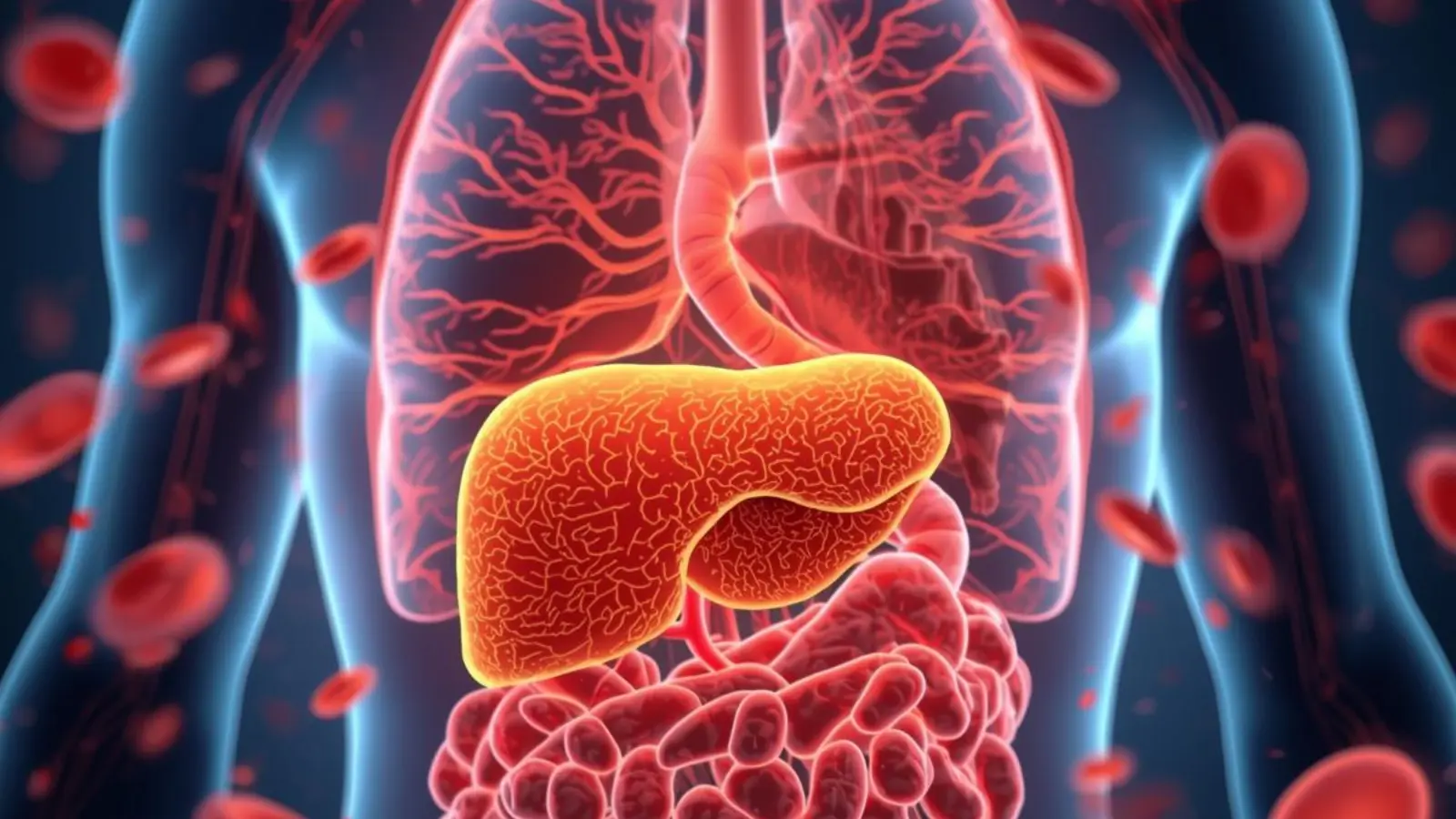
Have you ever searched “what does the spleen do” after hearing about someone having spleen problems or surgery? You’re not alone. Many people are curious about this small but powerful organ because it’s not talked about as much as the heart, lungs, or brain. Yet, the spleen plays a very important role in keeping your body healthy.
So, what does the spleen do? The spleen is an organ located in the upper left side of your abdomen. It helps filter your blood, fight infections, recycle old red blood cells, and store platelets. Even though it’s not essential for survival, it plays a major role in your immune system and overall health.
⚡ Quick Answer
The spleen filters blood, removes old or damaged red blood cells, stores platelets, and helps the body fight infections.
It is a key part of your immune system and supports healthy blood circulation.
Understanding the Spleen: A Simple Overview
Before we explore different meanings and contexts, let’s understand the medical meaning of the spleen.
The spleen is:
- About the size of a fist
- Located under your rib cage on the left side
- Part of the lymphatic and immune system
- Connected to blood vessels that carry blood in and out
Even though people can live without a spleen, it plays several important roles in protecting your body.
What Does the Spleen Do in the Body?
1. Filters the Blood
One of the spleen’s main jobs is to filter your blood.
It:
- Removes old red blood cells
- Breaks down damaged blood cells
- Cleans bacteria and waste from the bloodstream
Think of the spleen as a blood quality control center.
2. Fights Infections
The spleen contains white blood cells, which help fight bacteria and viruses.
It:
- Detects harmful germs in the blood
- Produces antibodies
- Activates immune responses
This is why people without a spleen are more likely to get infections.
3. Stores Platelets and Blood
The spleen acts like a backup storage unit for:
- Platelets (help stop bleeding)
- Extra blood
In case of injury or emergency, it can release stored blood into circulation.
4. Recycles Iron
When red blood cells break down, the spleen helps recycle iron, which is reused to create new red blood cells.
This keeps your blood production system working smoothly.
What Happens If the Spleen Is Removed?
Sometimes doctors remove the spleen due to:
- Injury (ruptured spleen)
- Blood disorders
- Certain cancers
- Severe infections
This procedure is called a splenectomy.
Can You Live Without a Spleen?
Yes, you can live without it. However:
- Your immune system becomes weaker
- You may need special vaccines
- Doctors may recommend preventive antibiotics
Your liver takes over some of the spleen’s filtering tasks, but not completely.
Common Spleen Problems
Here are some common conditions affecting the spleen:
| Condition | Description |
|---|---|
| Enlarged spleen (Splenomegaly) | The spleen becomes larger due to infection or disease |
| Ruptured spleen | Often caused by injury or trauma |
| Hypersplenism | Overactive spleen destroys too many blood cells |
| Infections | Such as mononucleosis |
Symptoms of Spleen Problems
You might not feel your spleen working, but when something is wrong, you may notice:
- Pain in upper left abdomen
- Pain that spreads to left shoulder
- Feeling full quickly (due to enlarged spleen)
- Frequent infections
- Fatigue
Always consult a doctor if you experience unusual pain.
Spiritual or Symbolic Meaning of the Spleen
In traditional Chinese medicine and ancient healing systems, the spleen is linked to:
- Emotional balance
- Worry and overthinking
- Energy (Qi) production
Symbolically, the spleen represents:
- Transformation
- Balance
- Nourishment
While these meanings are not scientific, many cultures connect organs to emotional health.
Cultural and Historical Views of the Spleen
In ancient Greece, the spleen was associated with melancholy (sadness).
The word “splenetic” once described someone who was angry or bad-tempered.
In some cultures, the spleen was believed to control mood and personality.
Fun Facts About the Spleen
- It weighs about 150–200 grams in adults.
- It contains both red pulp and white pulp.
- It holds about 1 cup of blood at any time.
- Some athletes may have slightly larger spleens due to oxygen needs.
Frequently Asked Questions (FAQ)
What does the spleen really do?
The spleen filters blood, removes damaged red blood cells, stores platelets, and helps the immune system fight infections.
Is the spleen important?
Yes, it is important for immunity and blood health. However, people can survive without it with proper medical care.
Can a damaged spleen heal?
In mild cases, yes. Small injuries may heal with rest and monitoring. Severe damage may require surgery.
Is spleen pain serious?
It can be. Pain in the upper left abdomen, especially after injury, should be checked by a doctor immediately.
How can I keep my spleen healthy?
You can support spleen health by:
- Eating a balanced diet
- Avoiding heavy alcohol use
- Getting vaccinated
- Protecting yourself from abdominal injuries
- Managing infections quickly
Key Takeaways
Here’s a simple summary:
- The spleen is part of the immune and blood system.
- It filters blood and removes damaged cells.
- It fights infections using white blood cells.
- It stores platelets and extra blood.
- You can live without it, but extra precautions are needed.
Conclusion
Now you clearly understand what the spleen does.
It may be small and often overlooked, but it plays a powerful role in filtering blood, fighting infections, and maintaining overall health. While it’s possible to live without a spleen, having one supports your immune system and keeps your blood healthy.
If you ever wondered whether the spleen really matters — the answer is yes. And now you fully understand why.

Ethan brings energy and edge to his writing. His captions are sharp, modern, and designed to grab attention instantly.